
Augustine College
Ottawa, Ontario, Canada
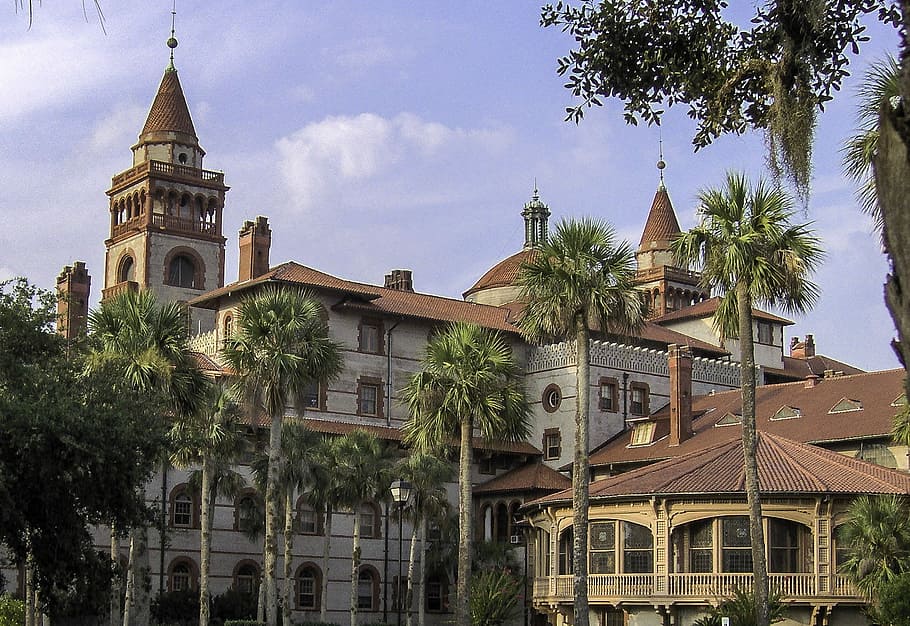

Augustine College is a small, independent liberal arts college located in Ottawa, Canada. It offers a unique and immersive educational experience focused on the study of great ideas and works that have shaped Western civilization. With a strong emphasis on critical thinking, communication skills, and a broad understanding of the humanities, Augustine College provides students with a transformative learning environment that nurtures intellectual curiosity and fosters a deep appreciation for the cultural heritage of the West. The college's dedicated faculty and intimate class sizes create a close-knit community of learners, making Augustine College a welcoming and engaging place to pursue a liberal arts education.
At Augustine College, we are committed to building a sustainable future for our students and the world around us. Through our academic programs and extracurricular activities, we strive to educate our students on the importance of sustainability and equip them with the knowledge and skills needed to address pressing environmental challenges.
Our campus initiatives focus on reducing our carbon footprint, promoting recycling and waste reduction, and supporting local and organic food sources. We believe that by instilling a sense of responsibility towards the environment in our students, we can help create a brighter and more sustainable future for all. Join us at Augustine College as we work towards a more sustainable world for generations to come.
At Augustine College, our vision is to provide students with a transformative education that integrates faith, reason, and virtue. We strive to cultivate a deep understanding of the Western intellectual tradition while fostering a commitment to the pursuit of truth, beauty, and goodness in all aspects of life.
- Integration of faith and reason in academic pursuits
- Cultivation of virtues such as wisdom, courage, and humility
- Engagement with the Western intellectual tradition
- Commitment to seeking truth, beauty, and goodness
- Fostering a community of lifelong learners
At Augustine College, students can expect a rich and vibrant campus experience that combines academic rigor with a close-knit community atmosphere. The college offers a small student-to-faculty ratio, allowing for more personalized attention and mentorship. Students have the opportunity to engage in lively discussions, participate in extracurricular activities, and connect with like-minded peers who are passionate about learning and personal growth. The campus is located in a beautiful and historic area, providing a serene and inspiring environment for study and reflection. Overall, the campus experience at Augustine College is designed to foster intellectual curiosity, spiritual development, and lifelong friendships.
© 2026 Proxima Study Inc. All rights reserved.