
Vancouver Film School
Canada
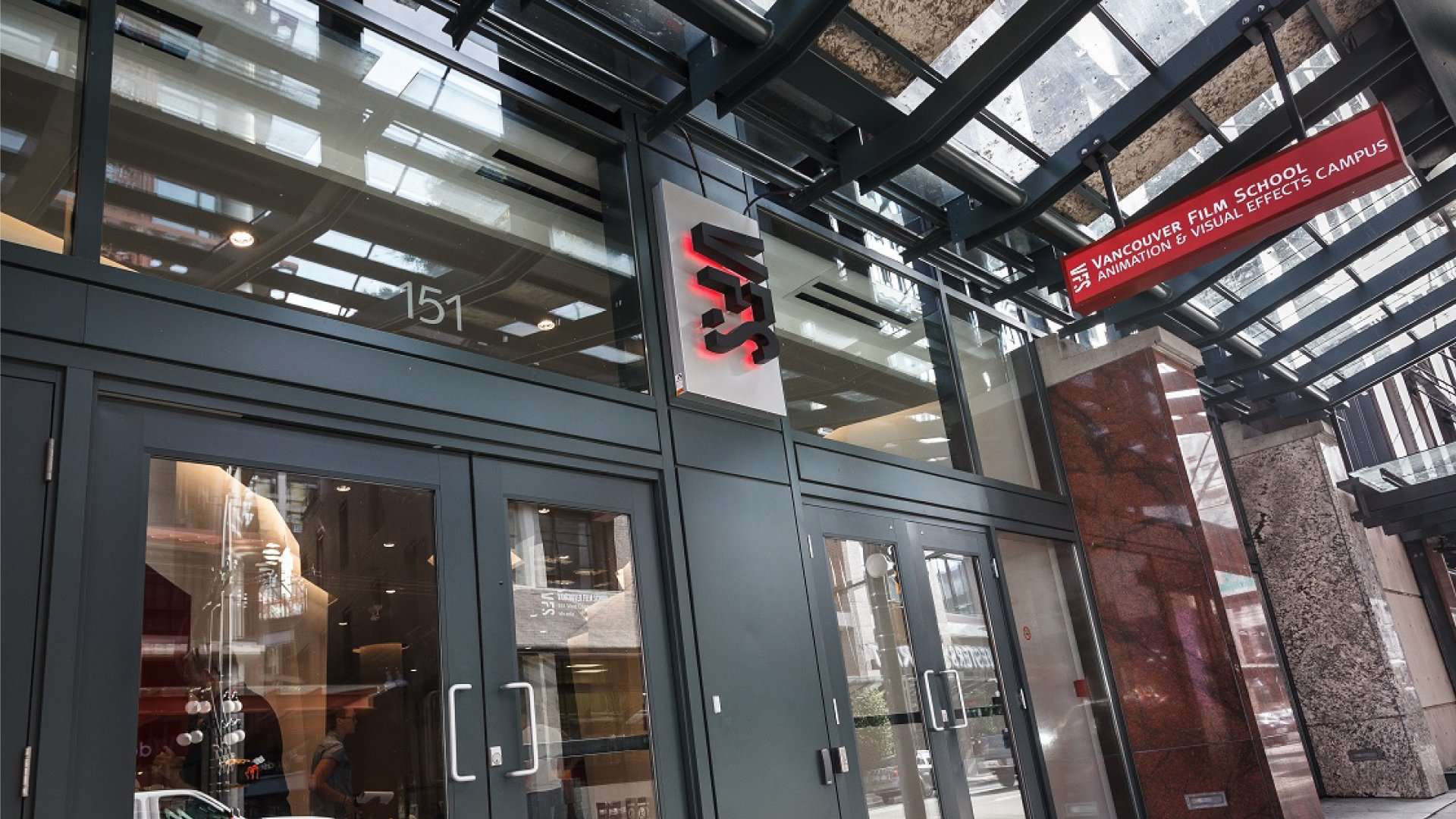

Vancouver Film School (VFS) is a prestigious institution renowned for its commitment to providing high-quality education in film, animation, and design. Located in Vancouver, Canada, VFS offers a variety of programs that cater to the creative needs of aspiring filmmakers and artists. With state-of-the-art facilities, experienced faculty, and a hands-on approach to learning, VFS has established itself as a leading institution in the field of entertainment arts. Students at VFS benefit from a dynamic learning environment that encourages collaboration, innovation, and artistic growth, making it an ideal choice for those looking to pursue a career in the film industry.
At Vancouver Film School, the focus on sustainability is a top priority as they strive to create a more environmentally friendly and socially responsible future. From reducing waste and energy consumption to supporting local communities and promoting diversity and inclusion, VFS is dedicated to making a positive impact on the world through their programs and initiatives. By incorporating sustainable practices into their curriculum and operations, VFS is paving the way for a more sustainable future for the entertainment industry and beyond.
Vancouver Film School (VFS) aims to be the leading institution for entertainment arts education in the world, providing students with the skills and experience necessary to succeed in the industry. The school's vision includes a commitment to fostering creativity, innovation, and excellence in all aspects of media production.
- Providing a diverse and inclusive learning environment
- Offering industry-relevant curriculum and hands-on experience
- Cultivating a network of industry connections for students
- Empowering students to realize their creative potential
- Emphasizing practical skills and industry readiness
Vancouver Film School offers an exceptional campus experience for students interested in pursuing careers in the entertainment and creative industries. The campus, located in the vibrant and cosmopolitan city of Vancouver, provides a unique learning environment that is conducive to creativity and innovation. With state-of-the-art facilities, industry-standard equipment, and expert faculty members who are professionals in their fields, students have the opportunity to gain hands-on experience and practical skills in their chosen areas of study. Additionally, the campus offers a range of extracurricular activities, networking events, and industry partnerships that help students build connections and prepare for their future careers in the entertainment industry. Overall, the Vancouver Film School campus experience is dynamic, engaging, and enriching for students looking to pursue their passion for film, television, animation, design, and other creative disciplines.
© ProximaStudy 2024. All rights reserved