
Abm College
Canada
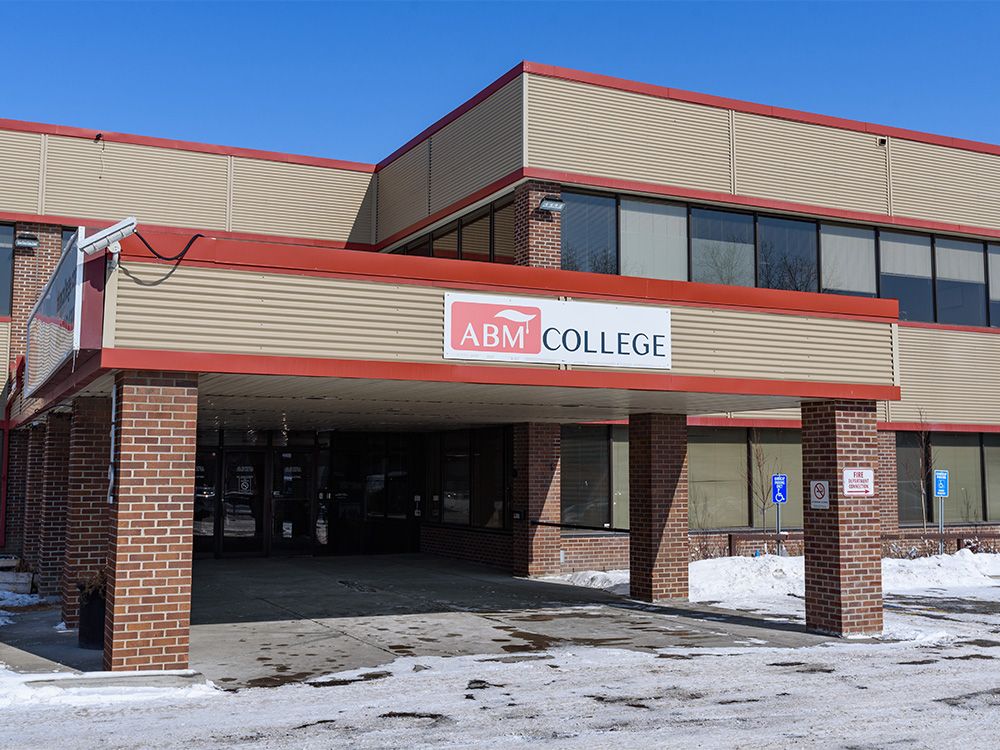

ABM College is a reputable institution dedicated to providing quality education and hands-on training in various fields. With a focus on practical skills development, the college offers a range of programs designed to prepare students for successful careers in industries such as business, healthcare, and technology. The experienced faculty and supportive staff at ABM College strive to create a dynamic learning environment where students can thrive and achieve their academic and professional goals. Known for its commitment to student success and industry-relevant curriculum, ABM College is a top choice for individuals looking to further their education and advance their careers.
At ABM College, a sustainable future is at the forefront of its mission. The college is dedicated to promoting sustainable practices and concepts throughout its campus and curriculum. Students are encouraged to think critically about environmental issues and how they can contribute to a more sustainable future. ABM College not only focuses on sustainability within its operations but also strives to educate and inspire its students to become responsible global citizens. By emphasizing the importance of sustainability, ABM College is shaping future leaders who will make a positive impact on the world around them.
ABM College's vision is to be a recognized leader in providing quality education and career training that empowers individuals to achieve their full potential in their chosen fields. We strive to create a supportive and inclusive learning environment that promotes professional growth and personal development.
- Delivering high-quality education and training programs that meet industry standards
- Fostering a culture of continuous learning and professional development
- Empowering students to excel in their chosen careers
- Providing personalized support and guidance to help students reach their goals
- Building strong industry partnerships to enhance opportunities for students
- Embracing innovation and technology in education delivery
ABM College offers a vibrant and engaging campus experience for students. The campus is well-equipped with modern facilities, state-of-the-art classrooms, and advanced technology to enhance the learning experience. The campus provides a comfortable and supportive environment that promotes student success and personal growth. In addition to academics, ABM College offers a variety of extracurricular activities, clubs, and events to encourage social interaction and community engagement. Overall, the campus experience at ABM College is enriching, inspiring, and provides students with the tools they need to succeed academically and personally.
© ProximaStudy 2024. All rights reserved