
Alexander College
Canada
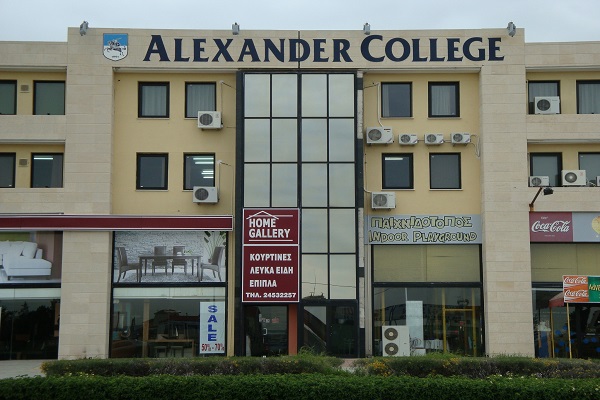

Alexander College is a reputable institution known for its commitment to providing quality education in a supportive and inclusive environment. With a focus on academic excellence, personalized learning, and student success, the college offers a variety of programs and courses designed to meet the diverse needs of its student body. Through small class sizes, experienced faculty, and a range of student support services, Alexander College strives to ensure that each student receives the attention and resources necessary to thrive academically. Overall, Alexander College is a welcoming and student-centered institution dedicated to helping students achieve their educational and career goals.
At ALEXANDER COLLEGE, the focus on a sustainable future is a top priority. With a dedication to environmental responsibility and social impact, the college has implemented various initiatives to reduce its carbon footprint and promote sustainable practices campus-wide. From recycling programs to energy-efficient buildings, ALEXANDER COLLEGE is committed to creating a more sustainable future for its students, staff, and community. By incorporating sustainability into its curriculum and operations, the college aims to inspire and educate the next generation of leaders to prioritize environmental stewardship and social responsibility.
The Overview vision at ALEXANDER COLLEGE is to provide high-quality education that fosters critical thinking, creativity, and innovation in a supportive and inclusive learning environment. This vision is guided by a commitment to academic excellence, student success, and community engagement.
Key points related to the vision at ALEXANDER COLLEGE:
- Promoting critical thinking and creativity among students
- Providing a supportive and inclusive learning environment
- Fostering innovation in education
- Upholding high standards of academic excellence
- Prioritizing student success and well-being
- Engaging with the local community to create positive impact.
At ALEXANDER COLLEGE, the campus experience is enriching and vibrant, providing students with a supportive and engaging learning environment. The campus facilities are modern and well-equipped, enhancing the overall academic experience. Students have access to state-of-the-art classrooms, computer labs, libraries, and recreational areas. The college also organizes various extracurricular activities, events, and clubs, fostering a sense of community and encouraging students to get involved beyond the classroom. Overall, the campus experience at ALEXANDER COLLEGE is aimed at creating a well-rounded educational journey for students, where they can thrive academically and personally.
© ProximaStudy 2024. All rights reserved