
Vancouver Career College
Canada
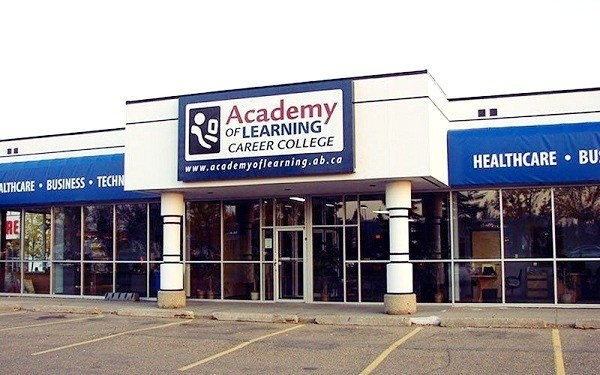

Vancouver Career College is a reputable institution dedicated to providing practical, hands-on training for students looking to pursue careers in various industries. With a focus on preparing graduates for the workforce, the college offers a range of programs in fields such as healthcare, business, education, and technology. Students benefit from experienced instructors, industry-relevant curriculum, and opportunities for real-world experience through externships or practicums. Vancouver Career College's commitment to student success is evident through its supportive learning environment and career services, helping graduates transition smoothly into their chosen professions.
At Vancouver Career College, sustainability is a key focus as we strive to create a better future for both our students and the environment. Our commitment to sustainability is reflected in our efforts to reduce waste, conserve energy, and promote environmental stewardship in all aspects of our operations. From implementing recycling programs to offering courses in green technology and renewable energy, we are dedicated to preparing our students for careers in fields that prioritize sustainability. By incorporating sustainable practices into our curriculum and campus operations, we are helping to create a more sustainable future for generations to come.
Vancouver Career College's vision is to provide students with quality education and training programs to help them achieve their career goals and succeed in the job market. They aim to be a leading provider of career-focused education in Canada, offering industry-relevant programs that prepare students for in-demand jobs.
- Providing quality education and training programs
- Helping students achieve their career goals
- Preparing students for success in the job market
Vancouver Career College offers a dynamic and enriching campus experience for its students. The campus provides a modern and comfortable learning environment with state-of-the-art facilities, including fully equipped classrooms, computer labs, and a learning resource center. Students can benefit from smaller class sizes, allowing for personalized attention and interaction with instructors.
Additionally, Vancouver Career College organizes various events, workshops, and networking opportunities to enhance students' overall experience and prepare them for their future careers. The campus is conveniently located in the heart of the city, providing easy access to amenities, public transportation, and job opportunities. Overall, the campus experience at Vancouver Career College is designed to support student success and foster a vibrant learning community.