
University Of St Paul
Canada
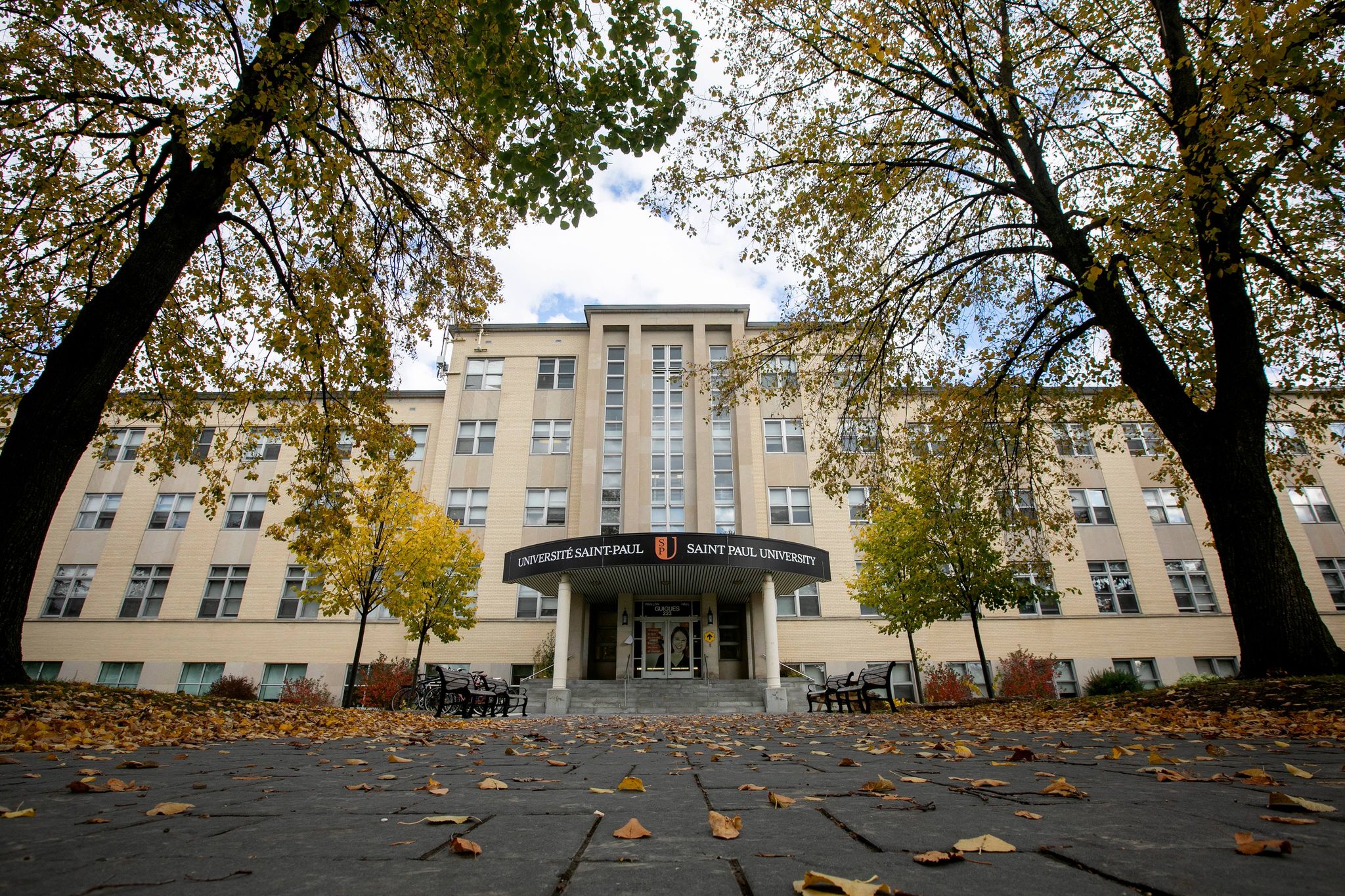

The University of St. Paul is a reputable educational institution known for its commitment to academic excellence and student success. Located in a serene and picturesque campus setting, the university offers a wide range of degree programs in various fields including business, humanities, and social sciences. With a dedicated faculty members and state-of-the-art facilities, students at the University of St. Paul are provided with a well-rounded and enriching educational experience that prepares them for successful careers in their chosen fields. The university prides itself on its student-centered approach to learning, fostering a supportive and inclusive community where students can thrive both academically and personally.
The University of St. Paul is committed to creating a sustainable future through various initiatives and programs. The university integrates sustainability into its academic curriculum, research endeavors, and campus operations. Students are encouraged to engage in sustainable practices through programs such as sustainable living workshops, community gardening projects, and environmental awareness campaigns.
The university also focuses on reducing its carbon footprint by implementing energy-efficient technologies, promoting waste reduction and recycling efforts, and investing in renewable energy sources. By fostering a culture of sustainability and environmental stewardship, the University of St. Paul is shaping a better future for its students and the broader community.
Overview Vision at University of St. Paul:
The University of St. Paul aims to be a premier institution dedicated to academic excellence, character formation, and community engagement. Our vision is to provide a supportive and inclusive environment where students can grow intellectually, socially, and spiritually.
Bullet points related to the vision:
- Academic Excellence: Offering a challenging and innovative curriculum that prepares students for future success in their careers and personal lives.
- Character Formation: Fostering values such as integrity, compassion, and leadership through various programs and initiatives.
- Community Engagement: Promoting a culture of service and social responsibility by encouraging students to actively participate in community projects and initiatives.
- Supportive Environment: Providing resources and support to ensure the holistic development and well-being of every student.
- Inclusivity: Creating a diverse and welcoming community that celebrates differences and promotes tolerance and understanding among all members.
- Growth and Transformation: Empowering students to realize their full potential and become ethical leaders who positively impact the world around them.
The campus experience at the University of St. Paul is vibrant and rewarding, offering a blend of academic and extracurricular opportunities. With a focus on fostering a supportive community, students can engage in various activities to enhance their learning experience and personal growth. The university's campus is equipped with modern facilities, including state-of-the-art classrooms, research labs, libraries, and recreational spaces, providing students with a conducive environment for their academic pursuits. The campus also hosts events, workshops, and clubs that allow students to connect with peers, faculty, and industry professionals, creating a dynamic and inclusive community that nurtures creativity and collaboration.
© ProximaStudy 2024. All rights reserved